












At the dune circuit, drivers have to deal with fast corners and bumpsSand and aggressive track surface demanding for Tyre Tread
Weather forecast makes use of Hankook rain tyres likelyAfter the hot battle at german Nurburgring, the DTM heading towards the North Sea this weekend. The most popular international touring car series is having its seventh round of the season at Zandvoort in The Netherlands. The race track has been on the DTM calendar every year since 2001 and is only a stones throw away from the sea. The 4.307 kilometres long track is winding its way through the dunes. The drivers have to deal with small hills, crests and bumps for 44 laps.
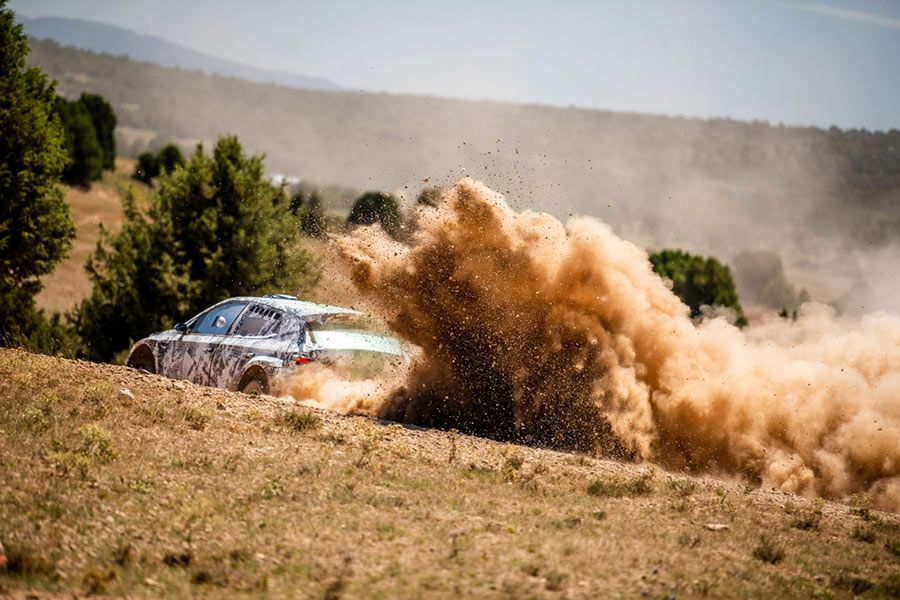
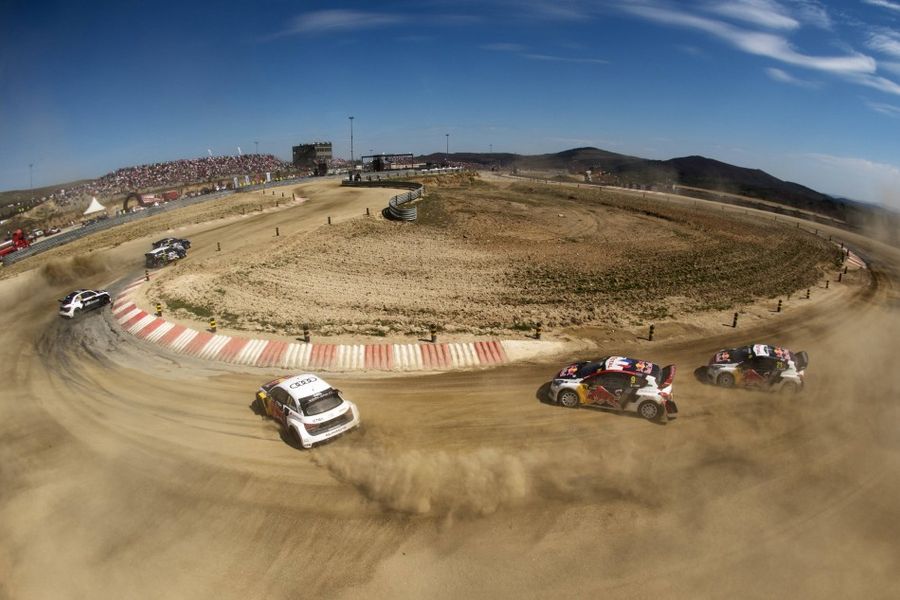
The fluent and demanding track includes many fast corners, partly behind crests and therefore only visible at a late stage. Right after the start, there is the legendary Tarzanbocht, a banked right-hand corner with a high-speed entry. Here, there are heavy lateral forces working on the DTM drivers, just like in the 180 degree hairpin before the main straight. In both sections, there is a heavy load on the left-hand side of the Hankook competition tyresconstruction, while the load on cars and tyres is being equally distributed at the rest of the track.The sand that is constantly being blown from the dunes onto the track is an important factor at Zandvoort. The grip of the cars is being reduced as a result and the cars could start sliding. The sand and the aggressive and raw asphalt are putting a lot of pressure on the contact surface of the Hankook race tyres that has to provide the mechanical grip. High temperatures and a heavier wear are the consequences. But last year already, the 2011-version of the Ventus Race mastered these particular challenges at the Zandvoort dune circuit very well. The new-for-2012 tyre generation will be equally successful,says Hankooks competition engineer Michael Eckert.
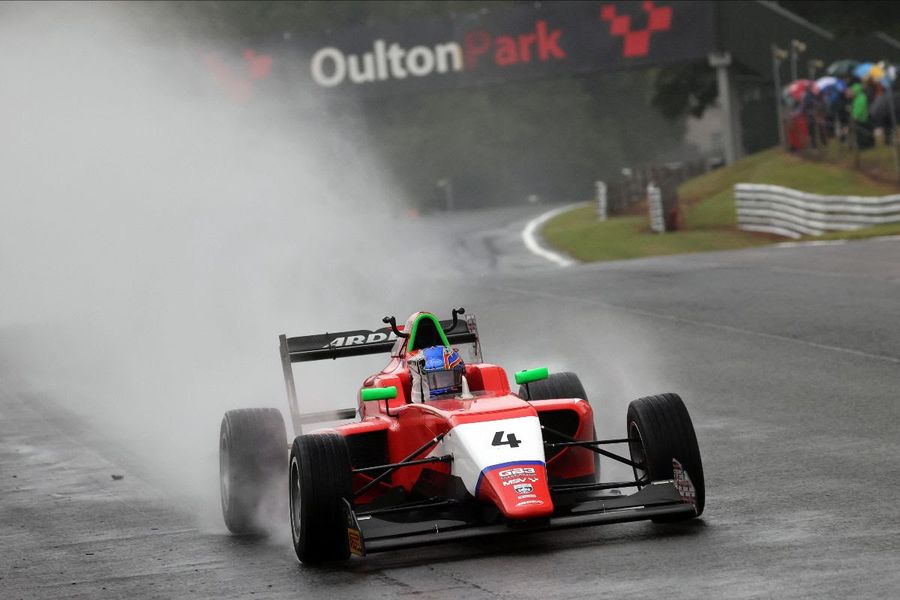
As rain has been forecast for Saturday and Sunday at Zandvoort, Hankooks rain tyre could be used for the second time this season after the Norisring round. Rain would clean the asphalt and the sand disappears. However, the precipitation also has to be long and heavy, in order to make the track really wet. Mixed conditions, like we had at the Nuremberg street circuit, where Jamie Green still could set record lap times with rain tyres while the track was drying out, are dangerous at Zandvoort,Michael Eckert explains. After all, the raw asphalt and the wind are the reason that the track quickly dries out again after a light rain shower. Drivers who stay out too long with rain tyres on the aggressive surface, can get in trouble. However, anyone who reacts immediately when conditions are changing and switches to slicks can make up a lot of time.
Competition tyres know-howThe competition tyres look very much similar to their road-legal counterparts, but their construction and compound is significantly different. Which are the particularly important components and characteristics with respect to the particular requirements of the tracks during the 2012 DTM season? Zandvoort: wheelspinWheelspin is the difference between a positively running wheel and the distance that has actually been completed. Increased wheelspin occurs when the static friction force is being exceeded, e.g. when the wheels are spinning or locking up. This can result into overheating of the tyre surface. Low grip levels of the track enhance wheelspin. At the circuit of Zandvoort, which is surrounded by dunes, keeping the mechanical grip is particularly difficult, because wind is often blowing sand onto the track.